Trading Real-World Events: A Practical Guide to US Prediction Markets and Logging into Kalshi

Whoa! Prediction markets feel a little sci-fi at first. Seriously? People actually buy contracts on whether it will rain on July 4th, or if a CPI print beats expectations? Yep. My first impression was pure curiosity—then some skepticism—and finally enough respect to treat this like regulated trading, not a carnival bet. Initially I thought of these as gambling-lite, but then I dug into the rules, clearinghouses, and regs and realized it’s closer to a niche financial market with its own market microstructure. Okay, so check this out—if you’re in the US and interested in event-driven trading, Kalshi is one of the few platforms built as a bona fide, regulated exchange for binary event contracts.

Here’s the thing. Prediction markets condense information. They surface probabilities fast. They’re useful for hedging, opinion discovery, or pure speculation. On the other hand, liquidity can be thin, spreads can be wide, and fees matter—very very important. If you treat this like short-term trading, you need market rules, an exit plan, and a solid grasp on settlement mechanics.

Screenshot-like depiction of an event contract order book and price chart, stylized

What US prediction markets actually are — and why regulation matters

Prediction markets sell binary (yes/no) contracts that pay $1 if an event happens. They look simple. But under the hood there’s order matching, clearing, KYC, and compliance with CFTC rules. On one hand it’s about information aggregation; on the other hand regulators care about market integrity, fraud prevention, and protecting retail customers. On the whole, regulation adds trust, though it also imposes limits—like who can trade what and how markets can be structured.

My instinct said these markets would be chaotic, though actually, wait—many operate with surprisingly disciplined order books. Liquidity providers (proprietary or retail) tighten spreads occasionally, and event settlement is rule-based: clear definitions, cut-off times, and an objective source for outcome verification. That matters because if terms are vague, you’ll get disputes and distrust—which is exactly what regulators want to avoid.

How event contracts trade — quick primer

Think of a contract as a bet priced between $0 and $1. If you buy at $0.60, you’re effectively saying there’s a 60% chance the event occurs (and you expect to get $1 if it does). Wow. Market prices move with new info—economic releases, news, social chatter, and even trader sentiment. Some practical points:

  • Spread and liquidity: expect wider spreads on niche events.
  • Market hours: not all events trade 24/7—cutoffs matter.
  • Settlement conventions: read the event rulebook; definitions are everything.

On platform design: regulated exchanges like Kalshi implement surveillance systems to spot spoofing and manipulation. That reduces some of the sketchier behavior you might see in unregulated spaces. Still, manipulation is harder to police in low-liquidity events, so trade carefully.

Logging into Kalshi — what to expect (safely)

If you want to try Kalshi, start with the official entry point I vetted earlier: https://sites.google.com/cryptowalletextensionus.com/kalshi-official-site/ —it points to public information and helps you verify where to go next. Hmm… a caution: always confirm you’re on the right domain before entering credentials. Phishing attempts are real, and I’m biased, but two-factor authentication (2FA) is non-negotiable for me.

Typical onboarding steps you’ll see:

  • Create an account with an email and password (use a password manager).
  • Complete KYC—ID and basic personal info (regulated platforms require this).
  • Link a bank or funding method (ACH is common in the US).
  • Enable 2FA; enable email alerts for logins and suspicious activity.

Don’t share credentials. Seriously. If something felt off about an email or page, close it and go to the platform directly from a bookmark. I learned that the hard way once when I nearly typed into a convincing phishing form—my gut saved me that time.

Practical trading tips and risk management

Start small. Test liquidity. Use limit orders when spreads are wide. Also: time horizons matter—some contracts resolve in hours, others months down the road. That changes how news flow affects price. Something else bugs me: retail traders often treat these like lotteries and blow through capital quickly. Treat it like a small, high-variance allocation in a diversified plan.

Strategy basics:

  • Scalp on high-volume macro events (e.g., employment data) if you can read order flow.
  • Position for asymmetric outcomes when you have differential information or edge.
  • Hedge correlated exposure elsewhere—these markets move with macro and political noise.

Taxes: gains are taxable. Track trades carefully. I’m not your accountant, but keep records—withdrawals, deposits, realized P&L. That paperwork matters during tax season.

Liquidity, fees, and the exchange model

Market fees vary. Some exchanges take a tiny spread; others charge explicit fees per trade. Also, markets that are “listed” have creators who set definitions and settlement sources. On a regulated venue, those creators may face vetting, which leads to higher quality contracts—but sometimes fewer quirky markets. On the flip side you get more legal clarity and consumer protections.

Initially I thought more markets = better. But then I realized that more markets without liquidity = more frustration. Quality over quantity usually wins for a trader’s sanity.

User safety, slippage, and order types

Use limit orders to control price and slippage. Market orders can execute at the worst displayed price on thin books. And watch for sudden news that can gap prices—if an economic surprise hits, spreads widen rapidly and fills can be painful.

Also keep the platform’s settlement rules in mind: some events use official data sources; others require adjudication. In the latter case, resolution can take longer and may be subject to interpretation.

Common questions traders ask

Do I need a lot of capital to start?

No. You can begin with modest amounts to learn microstructure and fees. That said, because some events have low liquidity, your effective capital is sometimes constrained by spread and slippage.

Are prediction markets legal in the US?

Yes, within regulated frameworks. Exchanges operating under CFTC oversight (or equivalent state regulation) are allowed to offer event contracts that meet specific rules. Always use regulated venues when possible.

What if my question about an event is ambiguous?

Ambiguity is the enemy. Good platforms define event criteria tightly up front. If terms are unclear, consider skipping the market or reach out to support for clarifications—don’t assume the resolution will favor you.

I’ll be honest—this field is evolving fast. My instinct says more institutional interest will bring better liquidity and professional market making; though it’s equally possible that regulatory shifts change the product landscape. For now, treat prediction-market trading like another regulated trading venue: read the rules, protect your account, manage risk, and respect settlement conventions. If you do that, you can learn quickly and maybe even find edges others miss. Somethin’ to chew on.


Why Your Next Edge in DeFi Might Be a Better Crypto Screener

Okay, so check this out—trade signals are noisy, and your gut sometimes lies. Wow! For years I treated on-chain alerts like gospel, only to see positions melt because liquidity dried up or a rug popped up outta nowhere. My first impression was: more data equals better decisions. Initially I thought that too—then reality set in and things got messier. On one hand you want every metric; on the other hand you can’t parse a million charts in real time without a sane dashboard.

Whoa! Data alone doesn’t trade for you. Medium-term patterns matter. Short-term spikes can be manipulation. Longer-term context shows whether a token has staying power, and those are the things most screeners gloss over unless they’re built for traders who live and breathe DEX flows. I’m biased toward tools that let you slice data by liquidity, age of holders, and swap heat—because those move markets in practice, not just in slides.

Here’s the thing. If you’re scanning tokens manually, you’re late. Seriously? Yep. Manual scans miss on-chain micro-movements that presage big moves, and they miss liquidity shifts that kill exits. My instinct said to automate filters, but automation without sane defaults just amplifies bad signals. At first I tried rule-heavy setups that screamed alerts every five minutes—too many false positives. Actually, wait—let me rephrase that: the solution was cleaner filters with confirmation layers, not more alerts.

Dashboard showing token volume, liquidity, and holder distribution

What a Practical Crypto Screener Actually Does

Think of a good screener as a traffic cop. It flags suspicious acceleration in buy or sell pressure, points out liquidity drains at key price bands, and surfaces new tokens with abnormal swap behavior. Wow! It doesn’t replace judgment. Instead, it hands you a prioritized list so you can apply judgment faster. Most traders I know want three things: speed, context, and reproducible filters. Speed gets you in. Context keeps you from getting rekt. Reproducible filters let you scale a strategy without burning out.

My approach has been pragmatic. Start with broad filters—volume, liquidity, age—and then add signal layers like token holder concentration and router-to-router transfer patterns. Really? Yes. Router patterns tell you if swaps are legit or staged. Then layer confirmations over timeframes so momentum isn’t a one-tick flash. On one hand this seems overly cautious; though actually it cuts down on the trades that feel great in hindsight but cost you in gas and slippage.

Tools should be transparent. I want to see the raw on-chain events, not a black-box “score.” (Oh, and by the way…) ease of use matters. A lot. If the UX hides the filters, you won’t tweak strategy mid-session and you’ll miss windows. That bugs me—good data deserves a UI that respects urgency.

How I Use Token Trackers Day-to-Day

I watch three screens: live swaps & liquidity, holder distribution, and unusual contract events. Hmm… my instinct said to focus on price candles, but I learned to read liquidity first. Seriously—the moment liquidity is pulled, price becomes a theater. Wow! So I set alerts for sudden liquidity drops greater than X% within Y minutes, and I follow those with checks on holder wallets that initiated the change. Initially that logic felt paranoid. Now it’s routine.

For newcomers: start small. Use a watchlist and backtest filters visually. Use off-ramps—hard stops, take-profit tiers. Be honest about trade size versus available liquidity; you’ll thank yourself. I favor tools that present token age and first swaps timeline alongside volume spikes, because a newly launched token with a perfectly timed social push is a different animal than a seven-month-old

Real-time Token Tracking: How to Use a Crypto Screener Like a Pro

When a token moves faster than your coffee order you notice. Traders who chase that speed need a reliable view into pool depth, liquidity, and real-time order flow. At first glance a chart that spikes looks like easy profit, though actually after digging it’s obvious that many spikes are just washed-out false signals caused by low liquidity and rug-risk mechanisms that take advantage of naive tools. My instinct said watch volume closely, but that alone isn’t enough. Whoa!

Okay, so check this out—there’s a class of tools I call crypto screeners that bundle live DEX analytics, token scanners, and customizable alerts. They surface new listings, track liquidity changes, and flag suspicious behavior with heuristics. Initially I thought all screeners were interchangeable, but after months of testing multiple dashboards against real trade outcomes I realized data latency, filter granularity, and how they timestamp trades make a measurable difference to your entry and exit quality. This matters for front-running, sandwich attacks, and even for simply missing a pump because the alert fired too late… Seriously?

Here’s what I look for in practice when evaluating a token tracker: precision on pair creation timestamps, per-block trade visibility, and swift liquidity metrics. Alerts that arrive with seconds of delay are worthless in certain memecoin flows, so fast websockets and normalized data feeds are crucial. On one hand rapid alerts can cause noise and false positives, though on the other hand too-slow systems hide critical microstructure changes that determine whether you’re reacting or recovering from an adverse move. I use a few simple filters to cut noise—volume thresholds, minimum pool size, and tracer flags for router-proxy behavior. Hmm…

Tools that show you who added liquidity, and whether it was self-sent or from a multisig, are underrated but very very important. Token trackers that tie wallet addresses to known deployer keys let you see intent—are they seeding liquidity or prepping an exit? Actually, wait—let me rephrase that: intent is inferred, not proven, and so your risk model must factor in ambiguity, historic wallet patterns, and the presence of time-locks or adjusted tax mechanics before labeling a project safe or dangerous. If a tracker doesn’t show slippage simulations and estimated gas for failing buys, you’re blind to execution risk. Here’s the thing.

Practically speaking, set up watchlists by token symbol and by pair address, because symbols can spoof and addresses cannot. On exchanges with many wrapped versions of assets you need to follow the canonical contract address and cross-reference with on-chain explorers, liquidity aggregators, and the screener’s historical trade logs to avoid mistaken assumptions that lead to bad fills. I’ll be honest—this part bugs me when platforms obfuscate addresses in favor of UI friendliness. Somethin’ as simple as a mislinked token can cost you significant slippage, or worse, trap you in a scam contract. Really?

If you want to run this like a pro, automated scripts reading websocket feeds and feeding into a rules engine can triage opportunities while you sleep. On the other hand, automation without human oversight scales mistakes as quickly as it scales wins, so pair bots with a human-in-the-loop decision or at least a manual confirmation step when capital is at risk. A practical toolkit mixes dashboards, order simulators, and a reliable token tracker that provides forensic-level detail when you need post-trade analysis. Practice test orders on small sizes, then roll up size when metrics match your thresholds, and always test across multiple chains to compare behavior. Oh.

Screenshot-style mock of a token tracker showing liquidity depth, pair creation timestamp, and recent trades

Where to start

Where to start: pick one platform with low latency that exposes webhooks and granular filters. I use a tool that surfaces pair creations, shows per-block trades, and lets me set minimum liquidity thresholds before firing an alert. If you want a practical jumping-off point to test alerts and compare trade timing against other dashboards, try dex screener and use its pair explorer to validate timestamps and liquidity depth across chains. Make small test buys first, check slippage, then increase size when your execution metrics match your expectations. Go slow.

Ultimately, trading with a crypto screener is about pattern recognition, discipline, and tooling that matches your style. On one hand you can rely on raw reflex and hope for entry luck, though on the other hand a structured approach that combines high-fidelity alerts with sanity checks reduces emotional losses and allows you to scale more confidently. My approach evolved from chasing quick memecoin pumps to building a checklist that reduces post-trade regret. I’m biased, but having your own small suite of trackers beats trusting a single hype channel any day. Trust, but verify.

FAQ

How do I avoid rug pulls when using a screener?

Look for transparent liquidity (locked vs. unlocked), check who added the liquidity, and inspect token ownership on-chain. Use filters to ignore pools below a minimum liquidity threshold, run small test buys, and double-check contract code via explorers when possible. If the deployment pattern looks odd or the deployer wallet matches known scam patterns, skip the trade. Pro tip: maintain a short list of trusted explorers and on-chain analytics you cross-verify quickly.

On-chain Perpetuals: How Leverage Breaks (and How to Trade Without Getting Burned)

Whoa!

I watched a trader blow through three consecutive positions last week.

They were trading on a DEX, using high leverage, and feeling invincible.

My instinct said somethin’ was off while everyone cheered their winners.

Initially I thought it was just bad timing, but then realized a mix of funding shocks, liquidity fragmentation, and sloppy risk rules made the whole setup fragile.

Here’s the thing.

Perpetual futures on decentralized exchanges are brilliant in principle.

They remove custody risk and open markets to anyone with a wallet.

Yet decentralization introduces subtle problems that centralized platforms quietly solve.

On one hand the orderbook and AMM designs democratize access though actually they can fragment liquidity, cause adverse selection, and amplify tail risks when funding rates swing unexpectedly across correlated pools.

Seriously?

Let’s talk leverage mechanics and margin processes for a second.

Cross margin, isolated margin, and auto-deleveraging functions behave differently on-chain.

Funding payments, liquidation incentives, and oracle lag interplay in ways that surprise traders.

If the oracle updates slowly or a major position shifts, liquidations cascade through similar pools, and because liquidity is segmented across AMMs and orderbooks the market impact compounds nonlinearly.

Hmm…

My instinct said decentralization simply shifts risk, not removes it.

Actually, wait—let me rephrase that: decentralization changes who bears the risk and how it’s realized across protocols and aggregators.

Liquidity providers may withdraw during stress, exposing perpetual holders to slippage and liquidation cliffs.

On protocol design, choices like virtual AMMs, concentrated liquidity, insurance funds, and multi-oracle feeds interact in complex tradeoffs that require deep scenario thinking before you pile on leverage.

Wow!

Risk management is boring but extremely important in perp trading.

Position sizing, activity factors, and stop logic matter far more than chasing tiny edges.

I learned that after a bot I helped tune got margin-called during a spike.

That incident taught me that backtests miss execution frictions, and that simulated invisible liquidity evaporates in real markets when funding flips and arbitrageurs withdraw.

Trader dashboard showing sudden liquidation event and fragmented liquidity

Okay, so check this out—

There are practical mitigation patterns you can use on-chain.

Use conservative effective leverage, stagger entries, and prefer protocols with deep insurance pools.

Diversify across liquidity sources and cross-check oracles to reduce single-point failures.

Also, think about operational risks: wallet access, key management, and how your liquidation path uses on-chain routers and DEXs when markets blow up, because these steps can add minutes of delay that matter.

I’m biased, but…

I favor venues that prioritize transparent risk engines and composable liquidity.

Protocols that publish their margin models and stress assumptions let you make informed bets.

Check funding rate behavior, historical max drawdowns, and how insurance funds were used in past incidents.

If a platform hides its AMM curve constants or auto-deleveraging thresholds, you’re essentially trading blind in a low-probability high-impact regime where a single flash event can wipe equity.

Where to look next

Here we go.

If you want a starting point, look for protocols with transparent risk docs and onchain clarity.

One example of a platform built with those principles is hyperliquid dex, where you can read the architecture and risk assumptions.

Read their insurance fund rules, check how liquidations unwind, and test low-stakes trades to observe behavior.

Do this before committing capital because reading whitepapers alone isn’t enough; you want to see real trade paths, settlement times, and how the UI or smart contracts execute under stress, since those operational details will determine whether your strategy survives a real market storm.

Really.

Perp trading on-chain rewards patience, robust sizing, and humility more than constant leverage hunting.

Use simulation, but stress-test with execution assumptions and slippage models.

Learn liquidation mechanics of the DEX, because margins look better on paper than in practice.

And if you’re building strategies, instrument-level correlations, funding normalization, and contagion channels between lending protocols and perp pools should be modeled, not guessed, to avoid nasty surprises when volatility spikes.

I’ll be blunt.

The on-chain perps space is exciting and dangerous in equal measure.

Keep position sizes sensible, avoid over-leveraging, and treat every platform as experimental.

On one hand the composability and permissionless access are transformative, though on the other hand they can create complex failure modes that only show up in tail events and require continuous learning to navigate.

So if you’re trading perps on-chain, do your homework, automate safety checks where possible, and remain humble—markets will remind you who’s boss eventually, and that’s worth respecting even when you’re having a good run.

FAQ

How much leverage is too much?

There’s no single answer, but very very high leverage magnifies tiny execution errors into catastrophic losses.

Start with low effective leverage, size for worst-case slippage, and increase only after live testing under varied conditions.

Can insurance funds and LPs fully protect me?

Not necessarily; insurance funds help but they have limits and can be depleted in extreme events.

Think of them as a backstop, not a guarantee—operational resilience and conservative sizing remain critical.

Why a browser dApp connector plus mobile-desktop sync finally feels like good product design for DeFi

Okay, so check this out—I’ve been juggling wallets and tabs for years. Whoa! The thing that struck me the other day was how messy the whole multi-chain experience still is for everyday browser users. Seriously? Yes. My instinct said there had to be a smoother way to move a session from phone to laptop without losing context or exposing keys. Initially I thought browser extensions were the weakest link, but then I started testing connectors that actually respect session continuity and privacy; that shifted my view.

Here’s the thing. dApp connectors used to be little more than a popup with a list of accounts. Short. They worked, mostly. But they didn’t hold a user’s flow. Medium-sized interruptions break trust. If a swap fails because the extension popped up behind a window, people blame the dApp, not the UX. On one hand, technical limitations (APIs, cross-origin messaging) made simple connectors hard to build; though actually there’s been a smarter pattern emerging, where the extension acts as a secure relay and the mobile app is the canonical key store. My gut told me that users prefer continuity over novelty. I was biased, but real users want simple things done reliably.

A browser and a phone showing a synced DeFi session

How a good connector should feel (and what usually goes wrong)

First impressions matter. Hmm… a connector that flashes a QR code and then disappears feels like a bandaid. Really? Yes, it’s like handing someone a bridge with half the planks missing. Most failures come from small friction: mis-typed RPC endpoints, unsupported chain IDs, nonce mismatch, and weirdly, race conditions between mobile and desktop sessions. Short.

When a wallet and extension are designed together they can do more than auth. They can manage portfolios, route transactions through preferred relayers, and provide secure mobile signing while the extension manages in-page UI. This is more than a checklist. It requires thinking about the session as a moving object that can be handed off. Something felt off about the current industry habit of treating mobile and desktop as separate universes, and I kept circling back to that thought. Actually, wait—let me rephrase that: we treated them as separate because legacy constraints forced compartmentalization, not because it’s the right UX.

There are three core failure modes to watch for. Short. First, discoverability: users don’t know which extension to install or how to pair it. Second, asset visibility: tokens on L2s or obscure EVM chains often don’t show up, making portfolio tracking useless. Third, security fuzziness: users copy-paste seeds or approve transactions without proper context. These are avoidable with better sync and clearer in-context explanations.

Practical design patterns that actually work

Okay, so check this out—good connectors use ephemeral session tokens that are cryptographically bound to an originating device. Medium. That lets the mobile app act as a “master key” while the extension keeps ephemeral proofs for the desktop UI. On the technical side, this is often implemented with a handshake that uses an authenticated Diffie-Hellman exchange or similar ECDH flow, plus signed session descriptors. Longer thought: the key is to avoid shipping permanent private keys to the desktop context and instead allow the extension to manage temporary credentials that expire or are invalidated when the mobile app revokes them, which reduces attack surface and aligns with users’ expectations of controllable sessions.

Seamless portfolio management is another piece. Hmm… if the extension can pull read-only data from the user’s on-chain accounts and display portfolio allocations, that reduces tab switching, and it improves decision-making. I’m biased, but I prefer a setup where the extension surfaces notifications about large balance changes and suspicious approvals. Medium. Another practice is letting users curate which chains are visible; hide the noise, surface the signal.

Transaction flows should be explicit. Short. Instead of a 2-line confirmation modal, show the gas, token impacts, slippage, and a plain-English note on what the dApp is asking to do. On one hand you want to prevent cognitive overload; on the other hand you can’t hide crucial data in collapsible menus. Hmm… that tension is where real product craft lives.

Trust, account recovery, and the human side

People forget how messy recovery is until they need it. Wow! Many wallets lean heavy on seeds, which is fine for power users but terror for casual folks. My instinct said that account recovery should be contextual and progressive: start with a simple backup option, then offer advanced seed export behind advanced menus. Initially I thought multisig was overkill for retail, but then I realized social recovery, guardians, and device-bound keys bridge the gap neatly. Long sentence: social recovery frameworks that combine trusted contacts, time locks, and on-device biometric gating can offer a middle-ground that lets non-technical users regain access without exposing the seed to careless copying, and they also give power users the control they want.

Privacy matters. Short. A connector should not leak addresses to analytics services by default. Medium. It should provide selective address sharing and keep chain metadata local. And yes, this might slow down some telemetry-driven features, but trade-offs are okay when you’re building trust.

Why browser users specifically care about extension quality

Browser users are often multitasking. Hmm… They have extensions for ad-block, password managers, and sometimes four crypto wallets. That context matters. Short. If your connector interrupts that flow with clumsy modals or unclear permissions, users drop out. Long: focusing on reducing interruptive prompts, batch-signing where safe, and clear progressive disclosure of permissions can retain users who otherwise would call it “too much effort” and move on to custodial alternatives that are easier but less private.

One deep trick: make the pairing process delightful. Medium. Scanning a QR code is fine, but pairing via a deep-link protocol from mobile to desktop or via a simple one-tap confirm on both devices feels far more modern. Honestly, this is the part where product teams can get creative without compromising security. (oh, and by the way…) There are existing implementations that get this right by using short-lived pairing tokens, handshake confirmation pins, and local network discovery when devices are on the same Wi-Fi — all low-friction and low-risk when designed properly.

Where Trust Wallet’s extension fits in

I’ll be honest: I like tools that let me move between phone and browser without jumping through hoops. The trust wallet extension has been shipping that kind of cross-device thinking, and if you’re exploring a browser connector for multi-chain DeFi then it’s worth checking out the trust wallet extension. Short. It pairs with mobile through clear handoffs and supports many EVM-compatible chains, which reduces token invisibility problems. Medium. What bugs me about some competitors is the UI clutter; this extension tends to be cleaner, though it’s not perfect and sometimes misses niche L2s.

On one hand, no extension will replace a thoughtful backup strategy. On the other hand, the extension-as-session-proxy pattern is a pragmatic way to give users the best of both worlds: responsive desktop interfaces plus mobile-native cryptography. Initially I thought that was just marketing speak, but actual implementations show measurable reductions in failed transactions and user support tickets.

FAQ

How does mobile-desktop sync protect my keys?

Short. It usually doesn’t export your private key to the desktop. Medium. Instead, the mobile app signs transactions and issues ephemeral session tokens or approvals to the extension. Long thought: that means the browser UI can compose transactions and request signatures without ever holding long-term private keys, and you get to revoke sessions from your phone if something feels off, so there’s a clean separation between signing authority and desktop convenience.

Will I see all my chains and tokens in the extension?

Not always. Short. Extensions often show only popular chains by default. Medium. You can add custom RPCs and token contracts, but the UX for that varies. I’m not 100% sure about every chain; some very new or experimental L2s might require manual config. If you want broad visibility, look for extensions with active chain support and token discovery features.

Is this secure enough for frequent DeFi users?

Depends. Short. For everyday DEX trades and bridging, a session approach with regular revocations is solid. Medium. For very large holdings or protocol-level governance, combine extension use with hardware wallets and multisig setups. My instinct says layered security beats a single silver bullet every time.

How to Read a BNB Chain Explorer Like a Pro (without getting lost)

Whoa! The first time someone opens a blockchain explorer it can feel like staring at a cockpit. Seriously? There are numbers everywhere. Transactions, blocks, token transfers, and dozens of tabs that all look important. Here’s the thing. With a little pattern-spotting you can go from confused to confident—fast.

Start simple. Look up an address and watch what shows up: balance, token holdings, recent txs. Medium-sized tokens often flood the page. On BNB Chain you’ll see BEP-20 transfers, contract interactions, and sometimes internal transactions that matter more than the obvious transfer line. Long story short: the visible token movement is often the tip of the iceberg; events and contract logs reveal the rest, though actually that’s where most folks quit because the logs feel cryptic…

Most explorers share common building blocks. Block height and timestamp are basic. Then there’s “From” and “To” for transactions. Then gas used and status (success or fail). If a transaction interacts with a token contract you’ll see Transfer events. If it calls a function you’ll often find decoded input under “Logs” or “Contract” tabs, assuming the contract is verified. That verification is key. Without verified source you get raw hex and feel very very stuck.

A screenshot-style wireframe showing a BNB Chain explorer transaction page with labeled sections

Where to start — and a quick reference

Okay, so check this out—when tracking a token or wallet the sequence matters. First, find the contract address and confirm verification. Next, inspect Transfers for token flow. Then, check Holders to understand distribution concentration. Finally, read Approvals to see who can move tokens on behalf of users. You can begin most of those steps via the bscscan official site login page if that’s your chosen gateway, though always confirm the domain you’re using and double-check browser security—phishing is a real thing.

Short tip: big holder wallets (whales) show up in the Holders tab. If one address holds 90% of supply, risk is higher. Medium tip: look for many small holders and frequent transfers; that suggests organic use or distribution. Long thought: combine on-chain holder distribution with off-chain signals—social buzz, audits, and dev transparency—to form a clearer risk profile, because numbers alone miss intent and chronology.

Token tracker forensic checklist

Really? Yes. Do this every time:

  • Confirm contract verification. If missing, treat data with caution.
  • Check totalSupply and decimals to ensure token amounts display correctly.
  • Review Transfers and filter for large moves or rug-patterns (mass sell-offs soon after launch).
  • Open the Contract tab and scan for mint/burn functions or owner-only privileges.
  • Inspect Approvals—see who has permission to spend tokens on behalf of others.

Some patterns are red flags. Owner-only mint functions are a big one. Hidden fees coded into transfers, or obfuscated router interactions, are another. On the other hand, multisig ownership and verified audits reduce concern—but they don’t remove it entirely. Developers can make mistakes. Audits can miss things. So always assume nuance.

Here’s a quick breakdown of the main tabs you’ll be using and what they typically tell you. Transactions show raw movement. Internal Txns expose contract-to-contract action that may move funds invisibly. Events / Logs decode emitted events if verification exists. Contract gives source code and ABI—this is where you confirm the behavior claimed in whitepapers. Token Tracker aggregates token-specific activity and holder stats. Each tab answers different “what happened” questions.

Practical examples (pattern recognition)

Example 1: sudden spike in transfers to many fresh addresses within minutes—classic airdrop or bot-driven mint. Example 2: a tiny transfer followed immediately by a massive approval set to a new router—suspicious. Example 3: sequential sells from the same wallet hitting liquidity pools—look for a pattern, not just a one-off event. On one hand these might be normal market-making moves; on the other they could be coordinated dumps. Context matters.

When reading the logs, watch for decoded function names. “transferFrom” and “approve” are normal for token movement. “mint” and “setOwner” are special. If you see obfuscated names or raw hex, that likely means the contract source isn’t verified—or it’s intentionally camouflaged. That’s a bad smell.

Common questions

How do I verify a contract is genuine?

Check for a verified source code in the Contract tab and compare bytecode with other known deployments if possible. Look for verified ownership and any linked audit reports. A verified contract with a readable source gives you decoded logs and clearer semantics.

What does “internal transaction” mean?

Internal transactions are value transfers initiated by contract code, not direct wallet-to-wallet sends. They often reveal token swaps, liquidity operations, or callbacks that don’t show as standard transactions. They’re crucial for full understanding.

Can token trackers detect honeypots or rug pulls?

They help. Token trackers show distribution, transfers, and approvals—patterns that hint at honeypot behavior. But behavioral detection isn’t perfect. Combine on-chain signals with off-chain research: dev history, community moderation, and independent audits.

Final thought: treat explorers as forensic tools. They’re neutral mirrors of on-chain state. Interpretations require pattern recognition and skepticism. Some things are obvious. Others require patience and cross-checking. Somethin’ about on-chain data rewards careful reading—take it slow, and don’t rush trades based on one flashy metric.

Gauge Voting, Stable Pools, and Asset Allocation: How to Think Like a LP (and Not Get Burned)

Whoa!

I remember the first time I saw gauge voting paired with customizable pools — it felt like a governance turbocharger. My instinct said, “this will steer incentives correctly.” Hmm… seriously, that was my gut. But actually, wait—when you layer gauges on top of stable pools and dynamic weights the whole landscape shifts in ways that are subtle and sometimes messy.

Really?

Short answer: yes, gauge voting changes behavior more than you’d expect. Medium answer: it does so by making token emissions fungible between pools, which means incentives are fungible too. Longer thought: if you treat emissions as a faucet that people can divert, then the topology of pools, lock-up distributions, and bribe markets together determine where liquidity lands, often in counterintuitive ways that reward clever coordination.

Whoa!

Okay, so check this out—stable pools are the workhorses for low-slippage swaps among pegged or tightly correlated assets. They let you jam more capital into a narrower price band and still enable cheap trades. On one hand that reduces slippage for traders; on the other hand it magnifies the impact of gauge allocations because a small emission increase can make a very large effective APY when the pool is deep and the swap fees are steady.

Really?

At first I thought more emissions = more liquidity, simple as that. Initially I thought emissions were the primary lever, but then realized liquidity providers chase yield in layers: fees, emissions, and ancillary bribes or rewards. On the flip side, if a pool offers high fees but no gauge support, it can still lose out to a slightly lower-fee pool that has massive emissions directed at it.

Whoa!

Here’s what bugs me about the naive framing: people equate “more TVL” with “better pool,” and that’s very very often wrong. A large stable pool with poor gauge alignment can become a vacuum that sucks up emissions yet produces diminishing marginal returns for long-term LPs. Also, somethin’ about bribes makes this sticky—third-party actors can rent vote influence to reroute incentives temporarily, which creates noise and short-term gaming.

Really?

Think of gauge voting as a capital allocation signal from token holders; it’s a rare tool that connects governance to market-level outcomes. But it’s noisy. Long view: if token locks (ve-structures) are concentrated, then gauge outcomes mirror that concentration and biases the whole ecosystem. Short view: pools that win gauges early attract liquidity, which makes them more attractive for future gauges—a positive feedback loop that can lead to centralization.

Whoa!

Stable pools deserve their own praise: they reduce impermanent loss dramatically when assets are tightly correlated and they multiply the utility of concentrated liquidity strategies. My instinct said stable pools would naturally attract protocol-controlled liquidity, though actually, wait—private LPs with deep capital and MEV-aware strategies often decide the real outcomes. The interplay is a dance of incentives and execution risk.

Really?

If you’re designing asset allocation for a Balancer-style customizable pool, you must balance a few competing goals: minimize slippage for target trades, ensure sustainable fee income for LPs, and design gauge weightings that reflect long-term value. Initially I assumed that a 50/50 weighting was neutral, but in practice asymmetric weights, combined with dynamic weight adjustments, let you target directional exposure while still offering tight execution for traders.

Whoa!

I’m biased, but the best approach I’ve seen is multi-layered: pair stable pools for on-us swaps with a complementary weighted pool for cross-asset exposure, then use gauge voting to nudge capital where it’s most beneficial for protocol health. On one hand this is elegant; on the other hand it requires continuous governance attention, and frankly, that part bugs me because the average token holder isn’t always engaged.

Really?

Mechanically, gauge voting can be implemented as time-weighted votes via ve-token models or as periodic gauge resets. There are tradeoffs: ve-locking creates long-term alignment but concentrates power; periodic calibrations are fairer but can be gamed by fast actors. Deeper thought: the choice between those is a political and economic decision, not purely technical, and the right answer depends on the project’s maturity and community composition.

Whoa!

Practical tip: when allocating assets into a pool that you expect to compete for gauges, stress-test for three scenarios—no emissions, moderate emissions, and a sudden spike due to bribes. Medium-term outcomes diverge across those cases. Longer view: factor in how rewards compound, how trader flow stabilizes, and whether arbitrage windows shrink to near-zero for tightly pegged assets.

Really?

Here’s a simple LP heuristic that I use: prioritize pools that (1) have reliable swap fee capture, (2) are eligible for stable, predictable gauges, and (3) have low counterparty concentration risk. I’m not 100% sure this covers every edge case, but it’s a good baseline. Also, if you can influence governance, think twice before over-indexing on emissions as the sole growth lever; emissions are a tax on the token supply over time.

Whoa!

Okay, practical mechanics for asset allocation inside stable and weighted combos: use low-slippage bands for on-chain market-makers, allocate a portion to rebalanced weighted pools for impermanent-loss hedging, and keep a tactical reserve to move into emergent gauge-winning pools. The reserve is small, but helpful when bribes reroute votes overnight—this happens, trust me.

Really?

If you’re building or participating in a protocol, check governance participation rates. High voter engagement usually correlates with better-aligned gauges. Also, check the flow of bribes: if external actors can buy votes cheaply, that skews allocations toward short-term wins. Balance transparency with incentives and you’ll get closer to sustainable liquidity.

Whoa!

I could go on — there are layers about oracle risk, MEV, smart order routing, and how Balancer’s architecture enables complex pool math — and that complexity is beautiful and annoying at the same time. I’m not trying to be cryptic here; I’m warning that strategy matters and execution matters more.

A diagram showing gauge arrows pointing to stable and weighted pools, with LPs and bribes illustrated

Where to start and a recommendation

If you want a practical jump-off, read the docs and governance proposals on the balancer official site, then simulate your target scenarios using historical swap volumes and hypothetical emissions. I’m biased toward simulation first—paper-trade your allocation, then scale slowly. Something felt off about diving in cold; simulation fixes that.

FAQs

How should I split capital between stable pools and weighted pools?

Use a core-and-satellite approach: keep a conservative core in stable pools for fee stability and low IL, then allocate a satellite portion to weighted or dynamic pools for higher returns and exposure. Rebalance quarterly or when gauge incentives shift materially.

Do gauge votes always improve long-term liquidity?

Not always. They can align incentives well, but if locks are centralized or bribes dominate, gauge outcomes favor short-term liquidity hunting. Governance design is the deciding factor.

What’s a quick red flag to watch for?

Rapid spikes in TVL tied to transient bribes and very low trader volume. That combo often signals yield farming theater rather than sustainable market depth.

Reading BNB Chain Like a Map: A Practical Guide to the BNB Chain Explorer

Whoa! I clicked a random transaction one afternoon and suddenly the world of on-chain data opened up. Hmm… it felt like finding a backdoor into a city’s plumbing. My instinct said: pay attention. Initially I thought explorers were only for devs, but then I realized they’re the single best tool any BNB Chain user can hold. So here’s the thing — a good explorer turns abstract blockchain noise into clear, usable signals you can act on.

Really? Yes. A blockchain explorer is basically a searchable ledger. You type an address, tx hash, token symbol, or contract, and the explorer returns a timeline of activity. Medium-length explanations help here: you can see balances, token transfers, contract creation, internal calls, and fee histories. Longer thought: when you learn to read these elements together, you can often spot rug pulls, bot activity, or simple user error before it becomes costly, though it takes practice and a little patience to get fluent.

Seriously? I know that sounds dramatic. But check this out—transaction traces show both the visible and the hidden steps. For example, a token transfer might trigger multiple contract calls that are invisible in a wallet UI but obvious in the explorer. On one hand, explorers are transparent. On the other hand, they can be noisy and overwhelming for new users. Actually, wait—let me rephrase that: they’re transparent if you know which fields to read, and overwhelming if you don’t.

Here’s a quick, practical checklist from my own workflow. Short check: verify the contract address. Medium: glance at the recent holders and top transactions. Medium: look for contract source verification and constructor arguments. Long sentence: if the source is verified and the creator address has a clean track record, and if tokenomics (supply distribution) doesn’t show a single whale holding an obscene share, then the risk profile drops considerably, though nothing is ever zero risk in crypto.

Screenshot of a BNB Chain transaction details with highlights

How I use the explorer and a quick reference to bscscan login

Okay, so check this out—when I need to deep-dive, I go straight to an explorer and type the tx hash. My muscle memory is: tx hash → event logs → internal txs → token transfers. I’m biased, but having the right link bookmarked saves time. If you want a starting point, use the official portal for account and contract lookups: bscscan login. This helps me avoid fake mirrors and makes it easier to compare data points across tools.

Hmm… something felt off about one token last month. I saw an odd spike in approvals. Short: red flag. Medium: I checked token holder concentration and contract creation date. Medium: I looked at the verified source and found a suspicious function that enabled unilateral minting. Longer thought: combining on-chain evidence with off-chain signals (Telegram screenshots, tokenomics posts, and creator anonymity) gives a fuller picture, even though it’s messy and sometimes subjective.

Here’s what you can practically do in the explorer. Short step: paste an address into the search bar. Then: inspect incoming and outgoing transfers to see if there are swaps, liquidity adds, or wash trades. Check token approvals to see which contracts have spend rights — revoke if necessary. Look at gas and timing to spot bots or sandwich attacks. And finally, use the “token tracker” and “holders” tabs to understand distribution.

Initially I thought more features meant more confusion, but then I learned to filter and prioritize. For routine checks, focus on four things: contract verification, holder distribution, recent large moves, and approval allowances. On one hand, verified source code is reassuring. Though actually, wait—verification can be gamed, so it shouldn’t be the only green light. The analytic eye needs to weigh each signal.

There are a few advanced capabilities most folks miss. Short: event logs. Medium: these show emitted events like Transfer, Approval, and custom events that reveal contract behavior. Medium: internal transactions reveal contract-to-contract calls that standard token transfer views hide. Long thought: when you’re tracking a complex DeFi interaction, following internal traces and event logs is the only way to reconstruct what actually happened between a wallet, a router, and multiple liquidity pools, which matters for dispute resolution and forensics.

I’ll be honest: the UI can feel dated sometimes. (oh, and by the way…) But that’s not the same as being useless. The tools are powerful even if they look utilitarian. I’m not 100% sure about every metric, and there are times where even I misread something and follow a wrong lead — very very human. Still, the more you use explorers, the faster your intuition becomes and the better you get at spotting subtle red flags.

FAQ

How do I confirm a contract is safe?

Short answer: you can’t be 100% certain. Medium answer: look for verified source code, a sensible token distribution, and typical functions without owner-only hidden minting or admin sweeps. Check transaction history for unusual minting or transfers, and verify that liquidity was added and locked if the project claimed so. Longer thought: combine on-chain checks with off-chain signals such as audits, community scrutiny, and the project’s track record; none of these alone guarantees safety, but together they reduce risk.

What if I see strange approvals on my wallet?

Revoke the approval if possible. Short tip: use a trusted revoke tool. Medium: approvals grant spend rights; revoke prevents future drains. Medium: prioritize revoking large allowances or approvals to unknown contracts. Long: consider moving funds to a new address if you suspect compromise, though that adds friction and tax/record-keeping considerations.

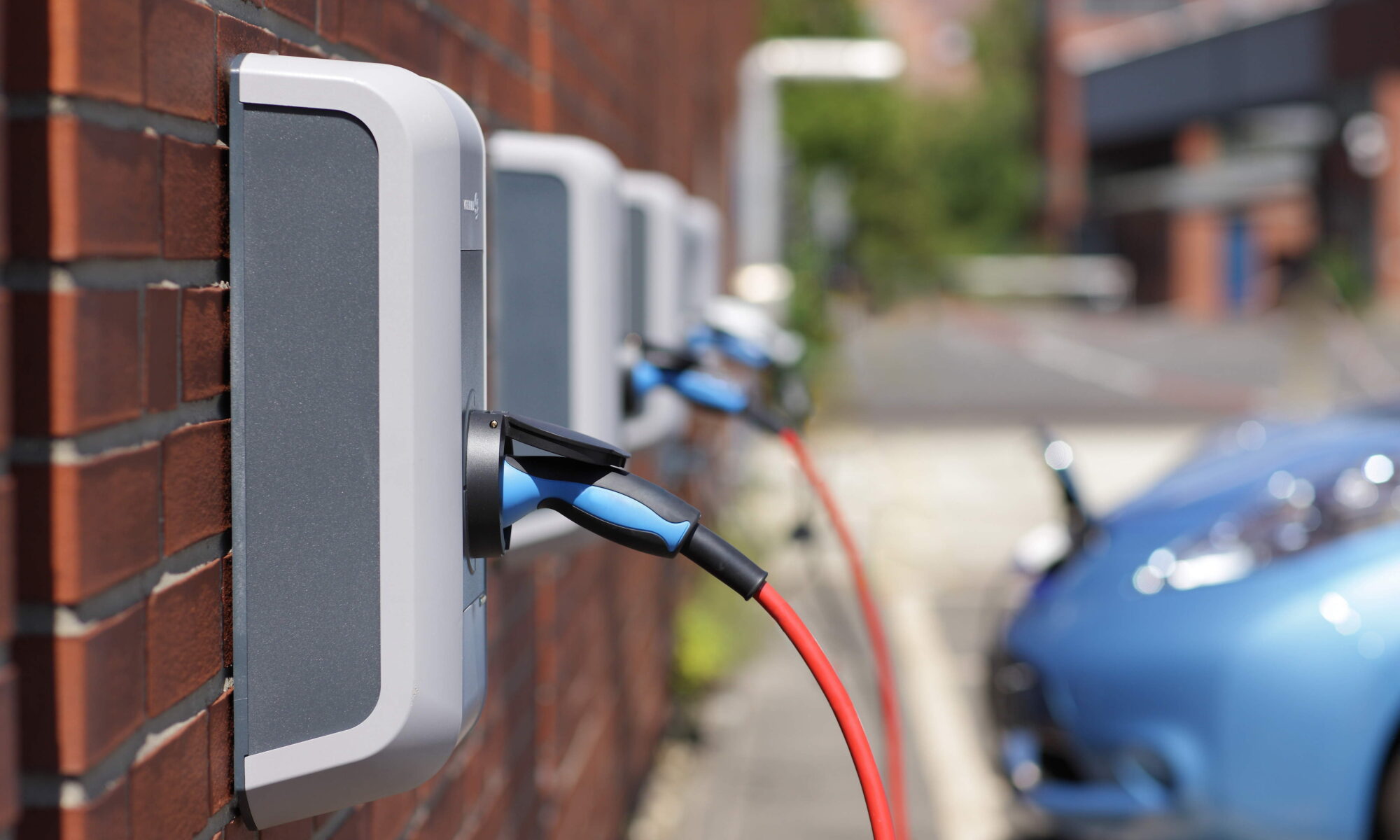
A Perfect Guide to Electric Car Charger Installation 2023

EV Charger installation

There has been a noticeable shift in the automotive sector towards sustainability in recent years. The popularity of electric vehicles, or EVs, among drivers is rising globally. The fact that electric vehicles (EVs) emit no emissions is what has led to their increasing popularity.

As more and more people switch to electric vehicles, there is a growing demand for the infrastructure to support them, namely electric car chargers. With a range of available options, it can be overwhelming to determine which electric car charger fits your needs. From understanding the different types of electric chargers available to navigating the installation process, there is much to consider when setting up your electric car charging station.

This blog is designed to simplify the process and provide all the information you need to decide on electric car charger installation in 2023. Whether you’re a new EV owner looking to install a charger at home or simply curious about the process, we’ve got you covered. So, let’s dive in and explore everything you need to know about electric car charger installations, ensuring you have the knowledge and tools to make the transition to electric driving as smooth and hassle-free as possible.

Why Choose an Electric Car?

Cost-Effective: Initially, buying an electric automobile may be more expensive than buying a car that runs on petrol, but the long-term savings are substantial. Because electric automobiles have fewer moving components and hence less wear and tear, they are typically less expensive to maintain. Furthermore, the cost of electricity for charging generally is lower than that of gasoline, especially with rising fuel prices.

Performance: Electric cars are known for their smooth and quiet operation, providing a more comfortable driving experience. Electric vehicles also offer instant torque, resulting in faster acceleration and a more responsive drive.

Incentives and Rebates: Worldwide, many countries provide incentives and rebates to promote the use of electric vehicles. These may include tax credits, reduced registration fees, and even grants for purchasing an electric car.

Things to Consider Before Installation of Electric Car Charger

Type of Electric Car Charger: There are three main types of electric car chargers – Level 1, Level 2, and DC Fast Chargers. Level 1 chargers use a standard 120-volt outlet and are typically the slowest option, while Level 2 chargers require a 240-volt outlet and offer faster charging times. DC Fast Chargers are the quickest option but are also the most expensive.

Compatibility with Your Vehicle: Make sure that the charger you choose is compatible with your electric vehicle. While most chargers are designed to be compatible with all-electric cars, there may be some exceptions.

Location of the Charger: Consider where you want to install the charger. It should be situated in a way that makes it easy for your car to get there. You should also consider the distance from your electrical panel, which can affect the installation cost.

Electrical Capacity: To be sure your house or place of business can support the increased load of an electric car charger, check its electrical capacity. You may need to upgrade your electrical panel or make other modifications to accommodate the charger.

Cost of Installation: The installation cost can vary widely depending on the charger type, the installation’s complexity, and your location. Make sure to get quotes from several different contractors to find the best price.

Step-by-Step Guide to Installation

Installing an electric car charger requires careful planning and execution. Here’s a step-by-step guide to help you navigate the process:

  1. Assessment and Planning:
  • Determine the type of charger you need: Decide between Level 1, Level 2, or a DC Fast Charger based on your vehicle’s requirements and your daily driving habits.
  • Evaluate your electrical system: Ensure your home’s electrical system can handle the additional load. This might involve a professional assessment.
  1. Obtain Necessary Permits:

Many local governments require permits for electric car charger installations. Check with your local building department or municipality to understand the requirements.

  1. Choose the Installation Location:
  • The location should be near where you park your car, ideally in a garage or a dedicated parking space.
  • Ensure the location is near an electrical source, minimizing the need for extensive wiring.

  1. Purchase the Charger:
  • Based on your earlier assessment, buy a charger compatible with your vehicle that suits your charging needs.
  • Ensure it comes with all the necessary components for installation.

  1. Hire a Professional Electrician:

While some avid DIYers might be tempted to handle the installation themselves, hiring a certified electrician or a professional familiar with electric car charger installations is recommended.

  1. Installation Process:

  • Mount the charger: Secure the charging unit to the wall, ensuring it’s at a height that allows easy access to your vehicle’s charging port.
  • Connecting to the electrical source often involves running a conduit from the electrical panel to the charger location and connecting the wiring.
  • Install a dedicated circuit: A dedicated circuit from your home’s electrical panel ensures the charger receives consistent power without interruptions.
  • Test the charger: Once everything is connected, turn it on and ensure it’s working properly with your vehicle.
  1. Inspections:

If required by your local government, schedule an inspection to ensure the installation meets all codes and regulations.

  1. Set Up and Configuration:

Some modern chargers come with smart features that require setup. Connect the charger to your home’s Wi-Fi network, set up mobile apps, and configure any settings as required.

  1. Apply for Rebates or Incentives:

After the installation, apply for any available rebates or incentives to help offset the cost.

  1. Regular Maintenance:

Periodically inspect the charger for any wear, damage, or malfunction. Clean the unit and ensure the connection points remain free of debris.

Overall, electric car charger installations are essential to owning an electric vehicle. By choosing the right charger, hiring a professional for the installation, and maintaining your charger properly, you can enjoy the advantages of electric vehicle ownership for years to come.

Ready to take the next step in your electric vehicle journey? Ensure you have the best charging solution at your fingertips with NorthCharge. Our team of trusted professionals will provide a seamless installation, ensuring you have the perfect charger for your needs. Elevate your EV experience and drive confidently, knowing you’ve made the best choice for convenience, efficiency, and sustainability.

Top Benefits of Installing EV Chargers at Your Workplace

EV Charger on workplace

Ever driven past a parking lot and caught sight of a shiny electric car hooked up to a charger? The sight is becoming increasingly common, and there’s an undeniable buzz about it. You’ve probably overheard coworkers too, discussing the benefits and conveniences of their new EV. It’s clear: Electric vehicles aren’t merely a passing phase; they represent the future of transportation.

This shift towards EVs presents businesses with a golden opportunity. More than just a trend, the move to electric vehicles has broader implications for the environment and our way of life. With this evolution, workplaces have the chance to play a pivotal role by installing the Best EV chargers. The benefits are manifold, and the question arises: Why wouldn’t businesses want to be part of this transformative journey? Let’s delve deeper into the reasons.

Key Benefits of EV Chargers at Workplaces

Electric vehicles are at the forefront of the evolution in today’s rapidly changing automotive landscape. With their rise, workplaces across the globe have a unique opportunity to be part of this transformation by adopting EV chargers. But what exactly are the benefits? Let’s navigate this electrifying path together.

Environmental Stewardship

Businesses directly contribute to reducing greenhouse gas emissions by supporting the use of EVs. Traditional gasoline-powered cars release pollutants contributing to climate change and decreasing air quality. EVs, on the other hand, produce zero tailpipe emissions. By installing chargers, companies showcase their commitment to a greener future.

Financial Incentives

Governments worldwide are promoting the switch to EVs, offering various incentives, including tax breaks and rebates for businesses that install charging stations. This reduces the installation cost and signals a company’s forward-thinking approach, potentially attracting more clients or partners.

Enhanced Corporate Image

In a world where consumers are becoming more environmentally conscious, businesses that support green initiatives stand out. Having EV chargers can boost a company’s image, showing clients, partners, and employees that the firm is socially responsible and aligned with modern sustainability goals.

Employee Attraction and Retention

Offering EV charging can be a significant perk for existing and potential employees. It demonstrates a company’s care for its staff and their interests, making it an attractive workplace. In highly competitive employment markets, these benefits may be the distinguishing factor between keeping top people or losing them to rivals.

Potential for Revenue Generation

While many companies offer EV charging as a free service, there’s potential to monetize it, especially if located in a commercial area. Businesses can generate additional revenue by charging a fee, making investing in charging stations even more worthwhile.

Future-Proofing the Business

As EVs become more prevalent, the demand for charging will skyrocket. By installing chargers now, businesses are meeting current needs and preparing for the future, ensuring they remain relevant in an evolving market.

Encouraging the Transition to EVs

Having accessible charging stations at work can be the nudge many employees need to switch to an EV. Knowing they can conveniently charge their vehicle while working might make them decide to go electric more easily.

Setting Up EV Chargers: A Brief Guide

Installing electric vehicle (EV) chargers at your workplace is a commendable step towards a more sustainable and employee-friendly future. However, setting up these chargers requires careful planning and consideration. Here’s a concise guide to help you navigate the installation process effectively.

Choose the Right Type of Charger

Before diving into installation, selecting the appropriate type of EV charger is crucial. There are typically three levels of chargers:

  • Level 1 Charger: This charger operates on a standard 120-volt household outlet. It’s the slowest option and is suitable for overnight charging. It’s cost-effective but may not meet the needs of employees who require faster charging.


  • Level 2 Charger: This charger operates on a 240-volt circuit and is the most common workplace choice. It provides a faster charging rate and is compatible with most EVs. Consider the number of employees and their charging needs when determining how many Level 2 chargers to install.


  • DC Fast Charger: These high-power chargers charge rapidly, typically in under an hour. They are ideal for workplaces with heavy traffic or employees needing a quick workday top-up. However, they are more expensive to install.


Location and Installation Considerations

The placement of your EV chargers is critical for accessibility, safety, and efficiency:

  • Accessibility: Chargers should be located in a spot that’s easily accessible to employees. Consider proximity to parking areas and building entrances. Ensure that the charging spots are marked and reserved for EVs.


  • Safety: Safety is paramount. Work with a qualified electrician to ensure the electrical infrastructure supports the chargers. Adequate wiring, circuit protection, and ground fault protection are essential.


  • Additional Infrastructure: Depending on the location, you may need to invest in additional infrastructure, such as concrete pads or bollards, to protect the chargers. Proper signage should also be installed to guide employees.


  • Consider Future Expansion: Anticipate the growth of EV usage among employees. Plan for scalability by installing additional conduit or electrical capacity to accommodate more chargers if needed.


  • Maintenance: Regular maintenance of EV chargers is essential to ensure their reliability. Establish a maintenance schedule and consider a service contract with the charger manufacturer or a third-party provider.


Electrify Your Workplace

Electric vehicles are revving up to dominate the roads. Installing EV chargers at your workplace means you’re not just making a statement – you’re taking a strategic step towards a greener, cost-effective, and employee-friendly future. So, are you ready to electrify your workplace?

With NorthCharge, you’re not just installing chargers but investing in a more sustainable, cost-effective, and innovative future for your workplace. Whether you’re motivated by environmental responsibility, financial incentives, or employee satisfaction, our technology has you covered.

Ready to make a change? Contact NorthCharge today to discuss your EV charger installation project and experience the convenience and benefits of our cutting-edge charging solutions. We can power the future together and drive towards a cleaner, greener world.

The Future of Mobility: Why EV Chargers Are a Must-Have for Your Business

EV Charger

In the evolving world of contemporary transportation, there’s an undeniable shift taking place. Electric vehicles (EVs), once seen as a fleeting trend, have firmly established themselves as the way forward. As the milestones of the 21st century rapidly pass, they bring a tide of change, urging businesses to adapt and innovate.

At this crossroads, enterprises globally are pondering a pivotal question: Should they embrace the electric vehicle movement or remain on the sidelines? The answer lies not just in the vehicles but also in the infrastructure supporting them. Diving deeper into the matter, we’ll uncover the compelling reasons why integrating EV chargers could be the transformative step your business has been waiting for.

The Business Case for EV Chargers

In today’s rapidly changing business environment, it’s critical to remain on top of trends and adjust to new ones. One such trend that’s making significant waves is the surge in electric vehicles (EVs). But what does this mean for businesses, and why should they consider investing in EV chargers? Let’s break down the compelling business case for this green technology.

The Green Consumer’s Expectations

Modern consumers are increasingly environmentally conscious. They’re not just looking for sustainable products but also keen on supporting businesses that align with their green values. Offering EV charging facilities conveys that your business is committed to sustainable practices. This can help attract and retain a customer base that values eco-friendly initiatives.

Enhancing Brand Image and Reputation

Incorporating EV chargers can do wonders for a brand’s image. Companies that adopt and promote green technologies are often perceived as forward-thinking and responsible. By positioning your business as a supporter of clean energy, you can differentiate yourself from competitors and gain the respect and loyalty of your customers.

Financial Benefits and Incentives

It’s not just about goodwill; there’s a tangible financial aspect to consider. Many governments worldwide offer incentives for businesses that invest in EV infrastructure. This can range from tax breaks to grants and rebates, reducing the financial burden of installation. Over time, charging fees (if you choose to implement them) can also provide an additional revenue stream.

Future-Proofing Your Business

The rise in EV popularity isn’t a temporary phase; it’s indicative of the future of transportation. As more people switch to electric, the demand for charging stations will inevitably grow. By installing chargers now, businesses can position themselves as leaders in the movement, ensuring they’re not playing catch-up later.

The Role of EV Chargers in Tomorrow’s Mobility

Bridging the Infrastructure Gap: While EVs promise a greener future, their widespread adoption hinges on the availability of charging infrastructure. It’s akin to the relationship between traditional cars and gas stations. Without convenient and general access to chargers, potential EV buyers may hesitate, fearing range anxiety or inconvenience. EV chargers, therefore, are the backbone that supports and drives the growth of electric mobility.

Catalyzing Urban Planning and Development: Integrating EV chargers isn’t just about indiscriminately placing charging stations. It requires thoughtful urban planning. As cities grow and evolve, the placement of chargers in strategic locations – from public spaces and office complexes to shopping centers and residential areas – can influence traffic patterns, real estate values, and even the layout of future cities.

Promoting Sustainable Energy Sources: The true potential of EVs is realized when they’re charged using renewable energy. Solar-powered charging stations, for instance, can ensure that the vehicles are emission-free on the road and during the charging process. The synergy between renewable energy and Best EV chargers can open the door to a comprehensive strategy for sustainability.

Empowering the Consumer: The future of mobility is not just about the mode of transport but also about giving power back to the consumer. With the proliferation of smart chargers, users can choose when to charge (taking advantage of off-peak rates), monitor their energy consumption, and even feed energy back into the grid, turning their EVs into mobile energy units.

How to Integrate EV Chargers into Your Business

Assess Your Needs and Objectives

Before diving into the world of EV chargers, it’s essential to understand your business’s needs and objectives. Are you looking to provide a free charging service to attract and retain customers? Or is it an added value for employees? Maybe it’s a combination of both. Identifying your goals will help shape the subsequent steps.

Choose the Right Type of Charger

EV chargers come in various types and capacities:

  • Level 1 Chargers: These basic chargers can be plugged into a standard electrical outlet. They’re slower and are typically suitable for businesses where vehicles remain parked for extended periods.


  • Level 2 Chargers: Faster than Level 1, these chargers require a dedicated circuit and are suitable for shopping centers, office buildings, and other places where cars might be parked for a few hours.


  • DC Fast Chargers: These are the speediest options, charging most EVs in under an hour. They’re ideal for locations where quick charging is essential, like along highways or in busy urban areas.


Collaborate with Professionals

Installing an EV charger isn’t a DIY project. Collaborate with professionals who have experience in installing and maintaining EV chargers. They’ll ensure the installation meets safety standards and regulations.

Consider Accessibility and Visibility

The placement of your EV charger is crucial. It should be easily accessible to drivers and, if possible, visible from the road or main areas of your business. This not only makes it convenient for users but also advertises the fact that you offer charging services.

Monitor and Adapt

The world of EVs is dynamic. Regularly monitor your charging station usage, gather user feedback, and be prepared to adapt. Whether adding more chargers, upgrading to faster ones, or integrating new technologies, staying flexible will ensure you remain ahead of the curve.

Elevate Your Sustainable Operations with NorthCharge

When considering the integration of EV chargers, choosing a partner known for quality and reliability is essential. NorthCharge offers top-tier electric charging solutions tailored for homes, businesses, and fleets aiming for sustainable operations.

Don’t be left behind in the race to a greener future. Partner with NorthCharge and embrace the EV movement, enhance your business’s eco-friendly image, and offer unparalleled value to the modern, environmentally-conscious consumer.