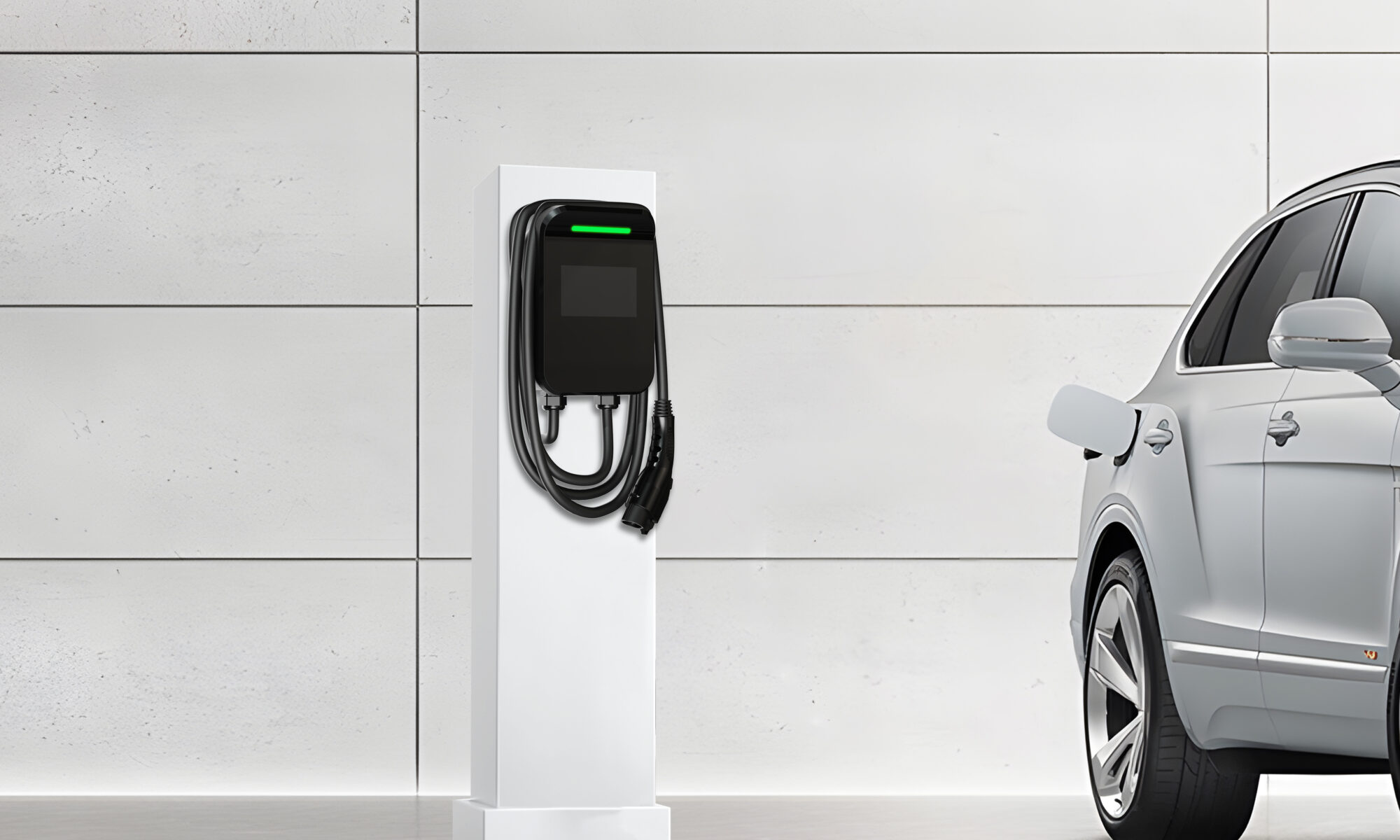
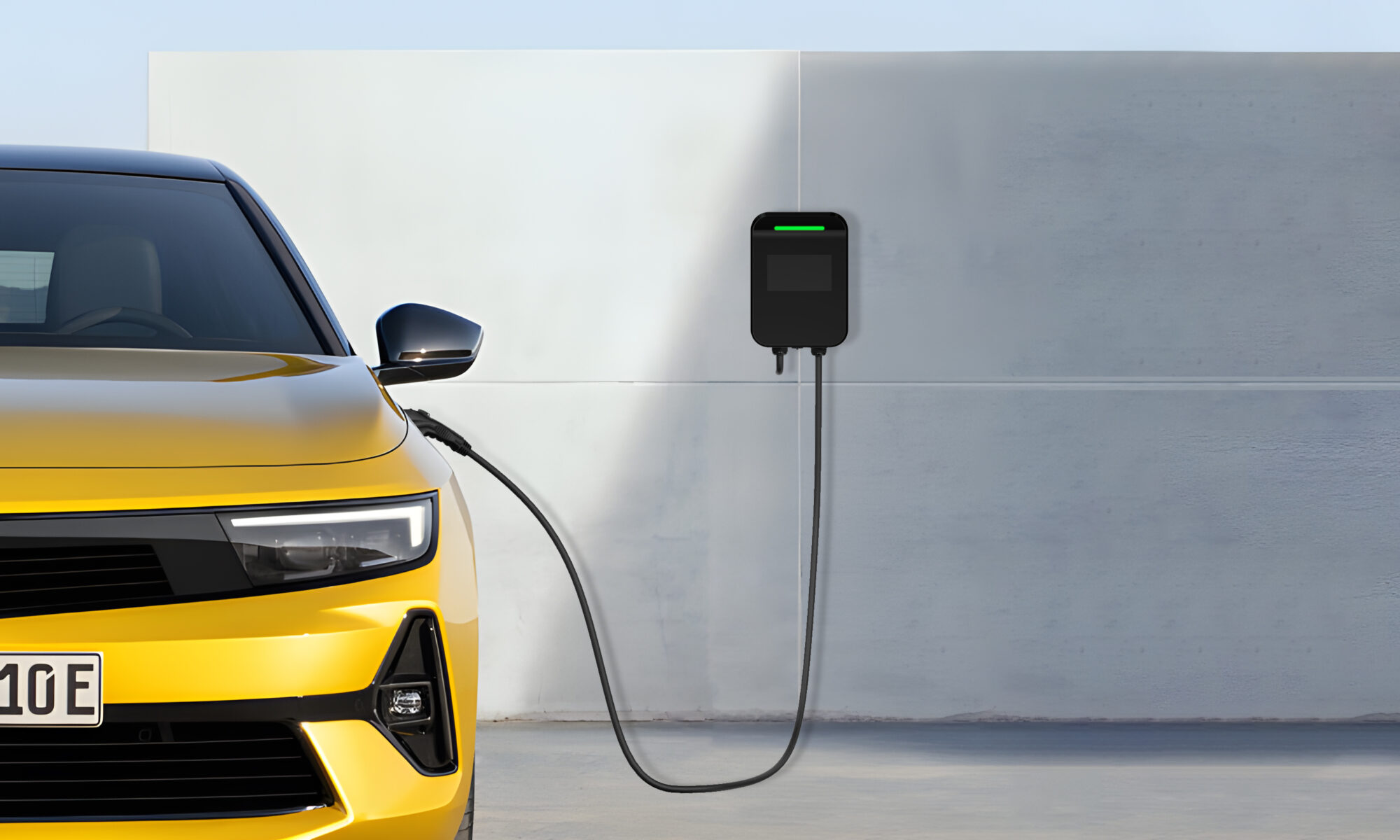
Electric vehicles (EVs) have surged in popularity due to their environmental benefits and cost savings. As more people make the switch to electric, the need for efficient and convenient EV charging solutions becomes increasingly important. Advanced software systems play a pivotal role in managing EV charging, ensuring that EV owners can charge their vehicles conveniently and efficiently. In this comprehensive guide, we’ll explore how advanced software systems are revolutionizing the EV charging landscape, making it more accessible and user-friendly.
The Evolution of EV Charging
EV charging has come a long way since the early days of electric vehicles. Initially, EV owners had limited charging options, and finding a charging station was often a challenging task. However, advancements in technology and the growth of the EV market have transformed the charging experience.
Today, EV charging is more accessible and convenient than ever, thanks to advanced software systems that enable smarter and more efficient charging. Let’s delve into how these systems are changing the game.
The Role of Advanced Software Systems
Advanced software systems have become the backbone of modern EV charging infrastructure. They provide a range of benefits, from enhancing the user experience to optimizing charging efficiency and grid integration. Here’s how these systems are making a difference:
Charging Station Locators
One of the primary challenges EV owners faced in the past was finding available charging stations. Advanced software systems now offer real-time charging station locators through mobile apps and websites. These locators provide information on the nearest charging stations, their availability, and even estimated charging times.
Plug-and-Charge Technology
Plug-and-charge technology simplifies the charging process. With this system, an EV owner can plug in their vehicle, and the charging station automatically recognizes the user, authorizes the transaction, and initiates the charging session. This eliminates the need for RFID cards or smartphone apps, streamlining the user experience.
Smart Charging Scheduling
Advanced software systems enable users to schedule charging sessions based on their preferences. This feature allows EV owners to take advantage of off-peak electricity rates or optimize charging to coincide with their daily routines. It not only saves money but also reduces the strain on the grid during peak hours.
Remote Monitoring and Control
EV owners can remotely monitor and control their charging sessions through smartphone apps or web portals. This includes features like starting or stopping charging sessions, tracking charging progress, and receiving notifications when charging is complete. Remote control adds convenience and flexibility to the charging experience.
Payment Integration
Payment integration simplifies billing and payment processes for EV charging. Users can link their payment methods to their charging accounts, and charging sessions are automatically billed without the need for separate transactions. This seamless payment experience encourages EV adoption.
Load Management and Grid Integration
Advanced software systems enable load management and grid integration, ensuring that EV charging does not overload the electrical grid. These systems can communicate with the grid to optimize charging schedules, reduce peak demand, and support renewable energy integration.
Key Players in Advanced EV Charging Software
Several companies and organizations have emerged as leaders in developing advanced EV charging software systems. Let’s take a look at a few key players:
ChargePoint
ChargePoint is one of the largest and most widely recognized EV charging network providers. They offer a comprehensive suite of software solutions for managing public, workplace, and residential charging infrastructure. ChargePoint’s software provides real-time station information, remote monitoring, and access control.
EV Connect
EV Connect specializes in software solutions for commercial and public EV charging. Their platform offers customizable features, including payment processing, reporting, and load management. EV Connect’s software is designed to support businesses, utilities, and government organizations.
Greenlots
Greenlots focuses on providing open standards-based software solutions for EV charging networks. Their platform offers advanced features like demand response and grid management, making it an ideal choice for utilities and charging network operators.
Enel X
Enel X is a global energy company that provides EV charging solutions and software services. Their JuiceNet platform offers smart charging features, including scheduling, remote control, and grid optimization. Enel X aims to accelerate the transition to electric mobility through its software solutions.
The Future of EV Charging Management
The future of EV charging management is bright, with ongoing developments and innovations in software systems. Here are some trends and advancements to watch for:
V2G (Vehicle-to-Grid) Integration
V2G technology allows electric vehicles to discharge power back into the grid when not in use. Advanced software systems are increasingly supporting V2G integration, enabling EVs to become a valuable grid resource and earn revenue for their owners.
Artificial Intelligence (AI) and Machine Learning
AI and machine learning algorithms are being employed to optimize charging schedules, predict user behavior, and enhance the overall efficiency of EV charging networks. These technologies will continue to play a crucial role in shaping the future of EV charging management.
Interoperability
Efforts are underway to improve interoperability between different charging networks and software platforms. This will make it easier for EV owners to access charging stations regardless of their network provider.
Enhanced User Experience
As the EV market expands, software developers are focusing on creating more user-friendly interfaces and mobile apps. An improved user experience will encourage more people to switch to electric vehicles.
Grid Integration and Demand Response
Advanced software systems will play a pivotal role in integrating EV charging with the grid, allowing for better load management and demand response capabilities. This will help utilities balance grid demand and reduce infrastructure costs.
Key Takeaways
Advanced software systems have transformed EV charging into a more efficient, convenient, and accessible experience. They have played a vital role in accelerating the adoption of electric vehicles by addressing the key challenges that early adopters faced.
As technology continues to evolve, we can expect further innovations in EV charging management. These innovations will not only benefit individual EV owners but also contribute to a more sustainable and resilient energy future, where electric vehicles play a crucial role in supporting the grid and reducing carbon emissions. The journey toward a cleaner, greener transportation system is well underway, and advanced software systems are leading the way.
Ready to experience the future of EV charging? Join NorthCharge today and enjoy the efficiency and convenience of advanced software-driven electric vehicle charging.